A resort evening can hold a shared dinner and several different ideas about what follows. One person may want music, another a quiet seat, and another an optional look at the gaming floor. A clear meeting point helps those choices coexist. The useful agreement concerns where to reconnect and how to change the plan, rather than how long everyone must enjoy the same thing.
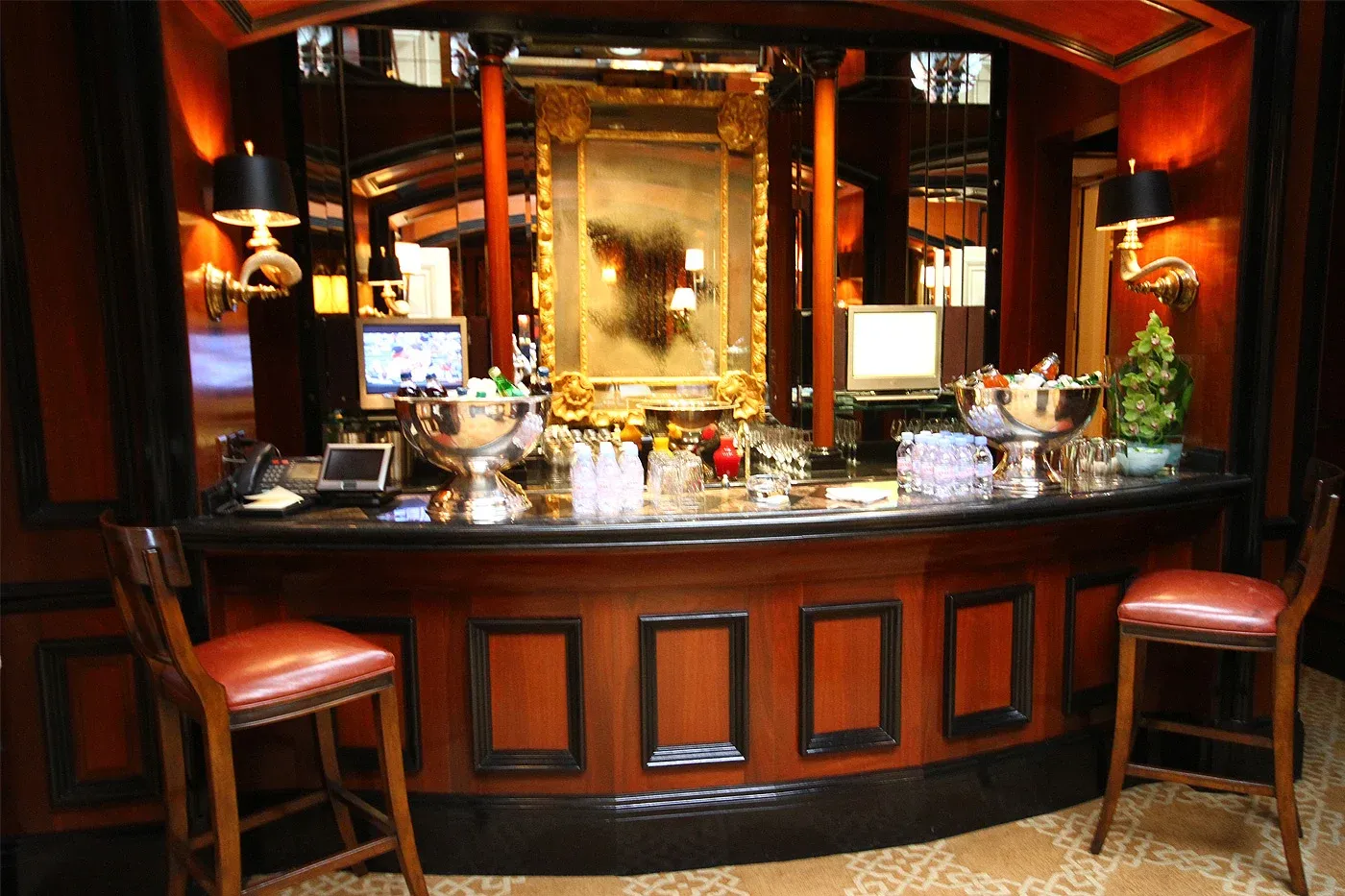
Choose one thing to share
Dinner can be the anchor without becoming the beginning of a compulsory schedule. Ask what each companion wants from the hours afterwards, including whether they would prefer to finish early. A simple answer such as a quiet conversation is as useful as a named event. It gives the group something real to plan around instead of assuming everyone wants the longest possible night.
The Coachroad introduction describes dining, live entertainment and gaming. It does not provide a confirmed programme for your travel date. For an October 2026 stay, check the actual times, entry arrangements and meal conditions before building a sequence around them. Leave a gap between activities so a delayed course or an interesting conversation does not immediately become a problem.
Agree before leaving the table
- Name a meeting place that everyone can find without following another person.
- Choose a time and a simple way to communicate a change.
- Make it acceptable to return to the room without extending the whole group plan.
Describe the meeting place precisely enough to remove a needless search. A particular seating area is clearer than somewhere near the entrance, especially in a building with several doors. Check that everyone can reach it comfortably. If you are unsure how the public spaces connect, ask staff before separating rather than trying to solve the layout through messages later.
Compare the place with the purpose
A good meeting point makes waiting comfortable and finding one another easy. The loudest or most striking location is not always the best fit. Consider seating, lighting and whether the area is available at the time you need it. Keep a second arrangement for a closed or crowded space, and explain it in the same plain terms as the first choice.
| Possible place | Useful quality | Question to check |
|---|---|---|
| Lobby seating | Easy to recognise | Will seats be available? |
| Dining entrance | Connected to the shared meal | Would waiting obstruct arrivals? |
| Quiet public corner | Comfortable conversation | Can everyone find it independently? |
Agree what happens if a message is missed. One companion might wait at the chosen seat while another checks the agreed alternative, but an improvised search can send people past each other. Keep the arrangement simple enough to remember without a phone. A short check before separating is easier than several uncertain messages sent from different parts of the building.
The journey from an outdoor day also affects the plan. Someone who returns tired may enjoy dinner while preferring to skip later activities. The Lakeland return article considers that transition. Leave the resort evening flexible enough to reflect how people feel now, rather than holding them to an energetic idea agreed before the walk.
Keep a table visit optional
- Confirm entry requirements and ask about unfamiliar procedures before joining.
- Set any entertainment spending separately from meals and the journey home.
- Let watching, leaving or choosing another activity remain ordinary options.
A first visit does not need to include a wager. If someone is curious, an explanation of the setting may be enough, subject to the venue’s arrangements. Do not use a companion’s interest to set your own spending or stopping point. For a separate look at online displays, the demo stake article examines units without turning the exercise into a prediction.
Author’s opinion
I would judge a resort evening by whether people felt comfortable making their own choices. A meal worth remembering and a meeting place everyone understands can do more for the group than a packed programme. I prefer an easy ending, with room for someone to leave early and for the others to continue without making either choice feel like a verdict.
Author: Eirlys Fern Moorhaven. Publisher: Coachroad Companion Intervals Quarterly.